1. Quick Summary
Photosynthesis is the process plants use to convert light energy into chemical energy stored as sugar, releasing oxygen as a byproduct.
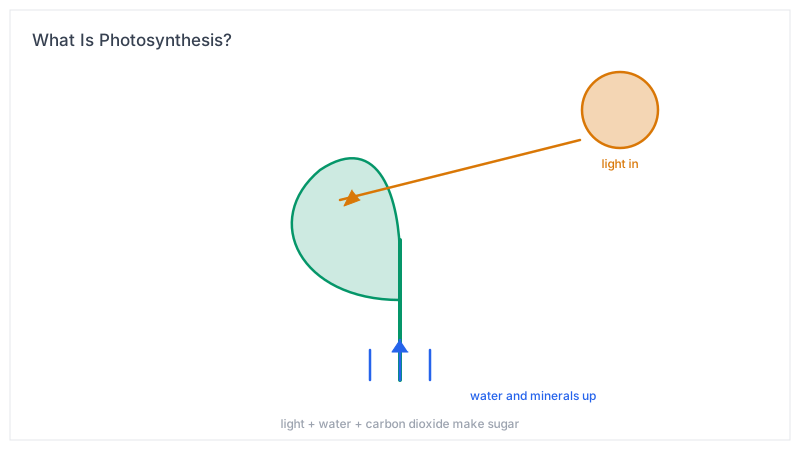
It happens mainly in leaves, inside tiny structures called chloroplasts that contain the green pigment chlorophyll.
2. What It Means
In plain terms, a plant is a tiny solar-powered sugar factory. It ‘eats’ light instead of food.
The oxygen we breathe is a waste product of this process — we depend on plants’ leftovers to survive.
3. Why It Happens
Plants take in carbon dioxide from the air and water from the soil. With light energy, they rearrange those atoms into glucose (sugar) and oxygen.
Chlorophyll absorbs mostly red and blue light and reflects green, which is why leaves look green to our eyes.
4. Real Examples
A sunflower turning toward the sun is maximizing the light its leaves can capture for photosynthesis.
Algae in the ocean also photosynthesize, producing a large share of the world’s oxygen despite being invisible from shore.
5. How It Affects Us
Photosynthesis feeds nearly all food chains: animals eat plants or eat animals that ate plants.
It also pulls carbon dioxide out of the atmosphere, helping regulate the climate.
6. Key Takeaways
- Photosynthesis turns light, water, and CO2 into sugar and oxygen using chlorophyll in leaves.
- It is the base of most life and a major reason Earth’s air is breathable.