1. Quick Summary
An airplane stays up because its wings produce lift, an upward push from the air rushing past them.
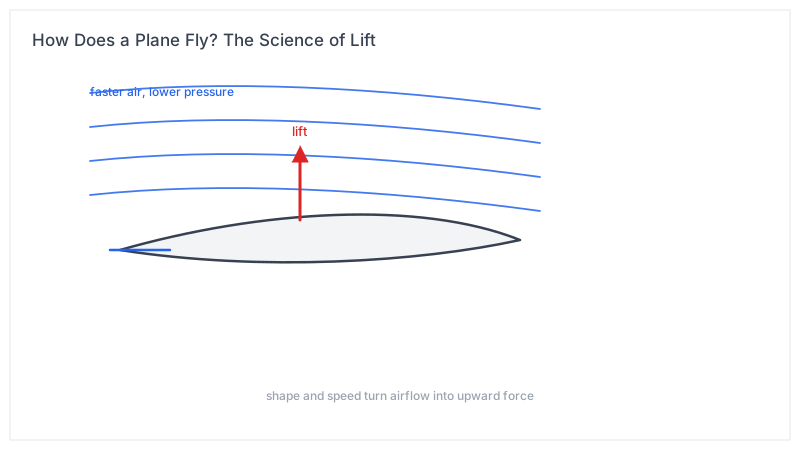
The wing’s curved top makes air move faster over it than underneath, and faster air means lower pressure, so the wing is nudged upward.
Engines provide the forward speed that makes this effect strong enough to overcome the plane’s weight.
2. What It Means
Lift comes from the pressure difference between the slower, higher-pressure air below and the faster, lower-pressure air above the wing.
Thrust from the engines, drag from the air, lift upward, and weight downward must be balanced for steady, level flight.
3. Why It Happens
The curved shape matters because air taking the longer top path must speed up to rejoin the bottom flow, and that speed drop in pressure is what lifts the wing.
Angle also helps: tilting the wing slightly bites into the air and throws some of it downward, and the reaction pushes the plane up, like a kite leaning into the wind.
Speed is essential; below a certain pace there is not enough airflow to make lift, which is why planes need a runway to build up before leaving the ground.
4. Real Examples
Paper planes glide using the same lift idea, though weakly, which is why they eventually fall as speed drops.
Birds tilt and spread their wings to trade speed for lift when landing, much like an aircraft’s flaps do.
A plane in a steep climb slows and can stall if lift drops below weight, showing why pilots manage speed carefully.
5. How It Affects Us
Understanding lift turned a dream into routine travel, shrinking the world for people and goods.
It also guides drone and wind-turbine design, where controlling airflow is the whole game.
Weather and weight still bound flight, so planning and instruments keep it safe.
6. Key Takeaways
- Wings create lift by making air move faster over the top, lowering pressure there.
- Engines supply the speed that makes lift strong enough to beat weight.
- Lift, thrust, drag, and weight must balance for steady flight.